
An introduction to PEMF therapy
Pulsed electromagnetic field therapy, in plain language. What the bed does, what you feel, who books it, and the one group it is not for.
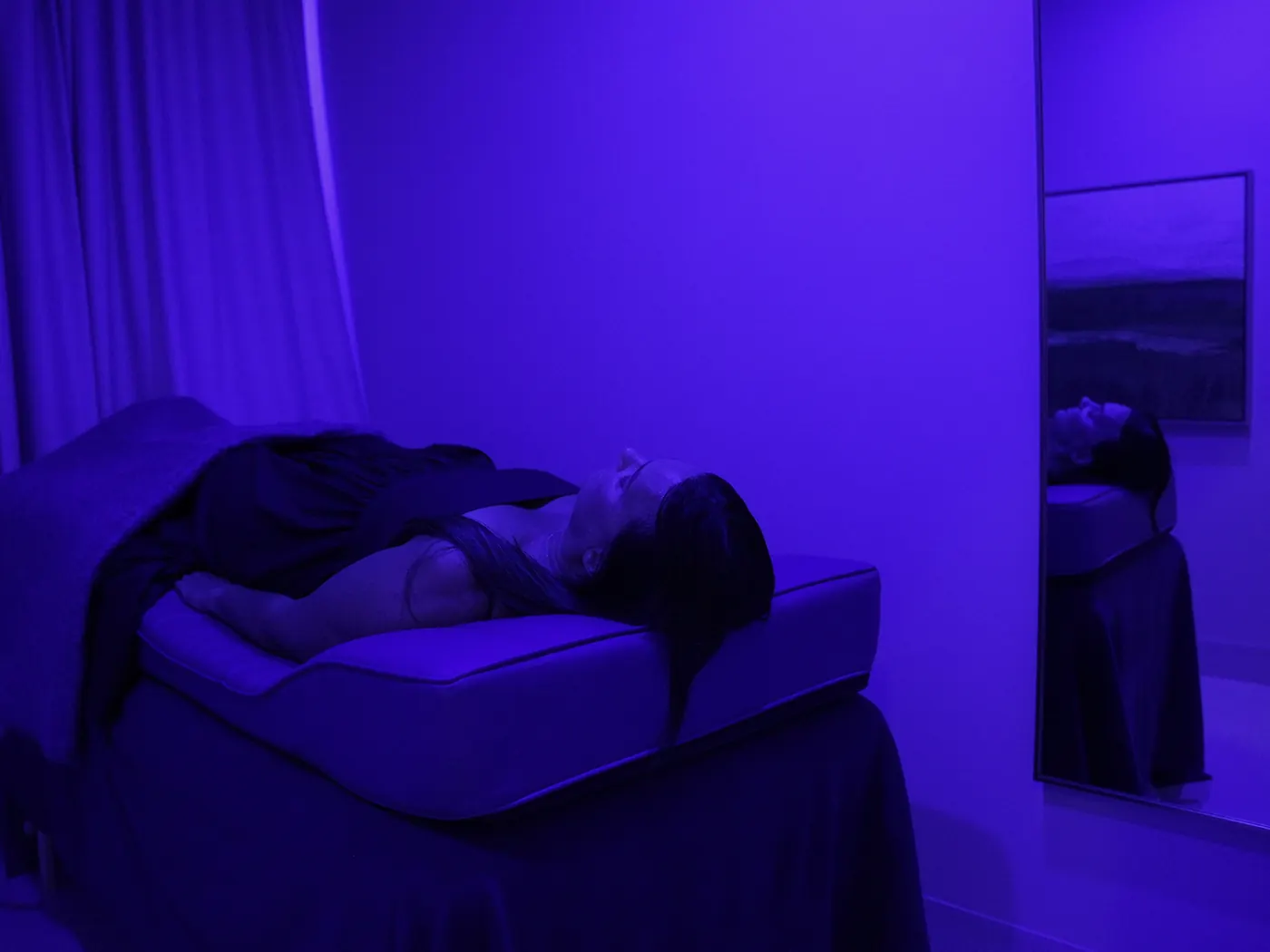
PEMF stands for pulsed electromagnetic field therapy. It is the therapy people are most sceptical about before they try it and most surprised by afterwards, because the usual assumption is that you will feel nothing at all.
You feel the pulses. That is the thing nobody warns you about.
What a session is
Thirty minutes, fully clothed, shoes off. There is a full length bed if you want the field through all of you at once, a chair if you would rather sit, and spot applicators for when it is one particular area doing the complaining. The room is dim and most people put their phone down for half an hour.
No heat, no needles, nothing touching you beyond the surface you are lying on. When it finishes you get up and go back to your day.
What it feels like
Low frequency electromagnetic pulses run through the body. You feel them most wherever you are already tight or sore, which is the detail that catches people out. It is firm rather than sharp, and there is nothing to brace for. Plenty of people doze off anyway.
If someone tells you PEMF is "almost nothing to feel", they have not used the equipment. You feel it, and where you feel it most is informative.
What it helps with
The pulses work at a cellular level to support your own repair processes, restore balance and get circulation moving. In practice people book it for:
- Pain and inflammation. Easing discomfort and supporting faster recovery from injury or strain.
- Circulation. Better delivery of oxygen and nutrients around the body.
- Stress. It calms the nervous system, which is most of why people doze off.
- Sleep and energy. Deeper rest, and more in the tank the next day.
- Muscle recovery. Athletes use it between hard sessions.
The one group it is not for
PEMF is not suitable for anyone with a pacemaker, an implanted defibrillator, a cochlear implant, an insulin pump or any other implanted electronic device.
Electromagnetic fields can interfere with those devices. This is not a paperwork contraindication, and it is the reason we ask before your first session rather than after. If you are pregnant, or you have epilepsy or a seizure disorder, check with your doctor first.
You will see PEMF described elsewhere as completely safe with no known side effects and suitable for most people. The first half of that is fine and the second half is exactly the sentence that reaches the one reader it would hurt.
Who books it
Anyone living with ongoing pain, athletes between hard sessions, people who are stressed or sleeping badly, and plenty who simply want more energy in the week. The ones who like it tend to make it weekly, usually stacked with red light or compression so the trip is worth it.
There is nothing to recover from, so there is no reason to space it out. It is the one therapy you can put next to anything, which is why it is in three of the four combination packages.
PEMF at Renew is 30 minutes for $55, on the bed, in the chair or with spot applicators on a single area.